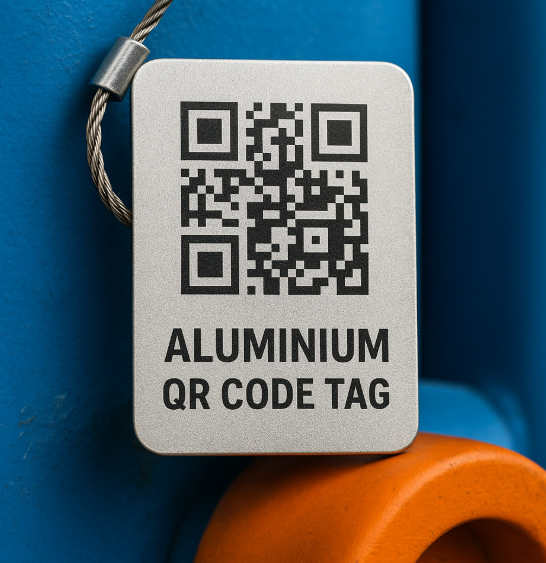
In industries, warehouses, and outdoor environments, accurately identifying and tracking assets is crucial for efficiency, safety, and operational control. QR codes have become a preferred method for linking physical objects to digital information, but their effectiveness relies heavily on the durability of the tag. Permanent QR code tags are engineered to remain legible and functional for years, even under harsh conditions.These tags are widely used across industrial, commercial, and outdoor applications, providing a reliable and long-lasting solution for asset identification, maintenance, and information access.What Are Permanent QR Code Tags?Permanent QR code tags are specially designed identification labels or plates that carry QR codes built to last. Unlike standard paper or plastic labels, permanent QR code tags are made from durable materials such as stainless steel, aluminum, or high-performance plastics.Each tag carries a QR code that can be scanned to access critical digital information, including:Product or asset specificationsMaintenance and service historySafety instructions and hazard warningsInventory and asset management dataContact information or digital manualsPermanent QR code tags are ideal for environments where ordinary labels would degrade quickly, including industrial sites, construction areas, warehouses, and outdoor locations.
Why Permanence MattersA QR code is only useful if it remains scannable. Exposure to heat, moisture, chemicals, abrasion, or UV light can render ordinary labels ineffective. Permanent QR code tags provide:Longevity: QR codes remain readable for years, reducing the need for replacements.Reliability: Permanent markings prevent scanning errors and maintain data integrity.Cost Savings: Fewer replacements mean lower maintenance costs over time.Safety Compliance: Workers and operators can always access safety and operational information when needed.By using permanent QR code tags, organizations maintain operational continuity and reduce downtime caused by damaged or unreadable codes.Key Features of Permanent QR Code TagsDurable MaterialsPermanent QR code tags are made from materials designed to withstand environmental stress:Stainless Steel: Offers exceptional strength, corrosion resistance, and durability for industrial applications.Aluminum: Lightweight, corrosion-resistant, and suitable for both indoor and outdoor use.High-Performance Plastics: Impact-resistant and UV-stable, ideal for moderate environments.Permanent MarkingQR codes on these tags are created using laser engraving, chemical etching, or dot peen marking. These methods ensure the codes remain legible even after years of exposure to harsh conditions.Environmental ResistancePermanent QR code tags can endure moisture, UV light, chemicals, oils, and physical abrasion, making them suitable for both indoor and outdoor applications.High-Contrast CodesPermanent QR codes feature high-contrast markings to ensure reliable scanning, even when tags are scratched, dirty, or slightly worn.
Applications of Permanent QR Code TagsIndustrial EquipmentFactories use permanent QR code tags on machinery, tools, and devices. Scanning the tags provides access to maintenance logs, operational manuals, and service history, helping reduce downtime and improve efficiency.Construction SitesConstruction companies attach permanent QR code tags to heavy machinery, scaffolding, and safety equipment. The tags store inspection records, usage logs, and safety instructions in rugged conditions.Warehousing and InventoryPermanent QR code tags are ideal for labeling storage racks, containers, and pallets. They help improve inventory tracking accuracy and reduce human error.Outdoor SignageParks, museums, tourist attractions, and public facilities use permanent QR code tags for outdoor signage. The tags resist weather and remain functional, providing visitors access to digital content reliably.Asset ManagementHigh-value assets, including vehicles, electronics, and tools, can be tagged permanently to maintain accurate tracking, auditing, and lifecycle management.Customization OptionsPermanent QR code tags can be customized to suit specific operational needs:Custom sizes and shapesCompany logos and brandingSerial numbers or unique identifiersColor finishes or anodized coatingsMounting options: adhesive backing, screws, or rivetsCustomization ensures seamless integration into existing asset management systems.Manufacturing TechniquesPermanent QR code tags are produced using methods that ensure long-term readability:Laser Engraving: High-precision, permanent codes on metal surfaces.Chemical Etching: Resistant etched patterns on metals.Dot Peen Marking: Mechanical indentations creating durable, scannable codes.Laser engraving is preferred in industrial applications due to its precision, contrast, and durability.Choosing the Right Permanent QR Code TagWhen selecting permanent QR code tags, consider:Environmental exposure: chemicals, moisture, UV, heatMaterial suitability for the applicationTag size and mounting method for ease of scanningData type and volume linked to the QR codeExpected usage frequency and lifespanProper selection ensures maximum reliability and long-term performance.ConclusionPermanent QR code tags offer a dependable, long-lasting click here solution for identifying and managing assets in challenging environments.
Their durability, resistance to wear and corrosion, and permanent marking guarantee that QR codes remain scannable for years, reducing downtime, errors, and replacement costs.From industrial machinery and construction equipment to inventory tracking and outdoor signage, permanent QR code tags connect physical assets to digital systems effectively. Investing in these tags ensures consistent access to critical information, operational efficiency, and long-term asset management success.